The mistakes to avoid in Egypt are the same fifteen every season, and each one has a simple fix
The mistakes to avoid in Egypt are the same fifteen every season, and each one has a simple fix
The mistakes to avoid in Egypt are not exotic. They are the same fifteen we watch first-time visitors make every season: the wrong month, five cities in a week, temples without a guide, Cairo left for the end, a road day when a flight exists, three cruise nights when four was right, the Valley of the Kings at noon, the wrong shoes, no small bills, tap water, no insurance, and a day expected to run on the clock. Every one has a fix, in the order it matters.
Why the same Egypt travel mistakes keep happening
Egypt is not a difficult country to travel. It is a country where the shape of the itinerary matters more than almost anywhere else. The distances between the big sites are long, the sun is strong most of the year, and the monuments open early and empty out by mid-afternoon.
The fifteen mistakes below fall into three families: planning mistakes made before you book, ground mistakes made once you land, and expectation mistakes. A well designed route removes most of the ground mistakes on its own.
Planning mistake one and two: the wrong month, and too many cities
Choosing the month by habit instead of by the trip
Most Americans travel when school is out, which puts them in Luxor and Aswan in July and August. Upper Egypt in those months sits between 104 and 113 F (40 to 45 C) by early afternoon. It is doable, but it means dawn starts and a long midday break.
The reverse mistake is expecting a warm beach in January. Cairo and Luxor are glorious in winter, but the Red Sea can be windy with water that feels cold to a Florida swimmer.
The fix: choose the month by what you want to do most. Temples and tombs love October through April. A trip built around the Red Sea and a cruise with early starts works well in the hot months. Our guide to the best time to visit Egypt walks through each season honestly.
Cairo, Luxor, Aswan, Abu Simbel, the Red Sea, the White Desert and Alexandria in eight days
This is the itinerary we are asked for more than any other, and it is a mistake every time. In eight days those places produce a trip that is mostly transfers, with a jet-lagged first morning at the Pyramids and a last night that starts at 3 a.m.
The fix: think in blocks of nights, not in cities. Three nights in Cairo, three or four on the Nile, three at the sea is a ten to eleven day trip that feels calm. Our first trip to Egypt itinerary shows the version that works for most people.
Routing mistakes: Cairo at the end, and the long road day instead of a domestic flight
Leaving Cairo for the end of the trip
The logic sounds fine: your flight home leaves from Cairo, so finish there. In practice it means saving the loudest city and the most demanding sightseeing, Giza, the Grand Egyptian Museum and Saqqara, for the days when you are most tired, after a cruise that is the restful part of the trip.
The fix: Cairo first, two or three nights, with a deliberately light first day. Then fly south for the Nile, then either the Red Sea or a single last night in Cairo near the airport. If you want more Cairo, split it between the start and the end.
Riding eight hours by road when a one hour flight exists
Cairo to Luxor by road is roughly 400 miles (650 km) through the Nile valley, with checkpoints, and it takes the whole day. It is not scenic: a highway, a guardrail and a police escort at points.
The fix: the domestic flight. Cairo to Luxor and Cairo to Aswan take about an hour in the air. Our page on domestic flights in Egypt explains the routes, baggage limits and how they slot into a cruise week.
Cruise mistakes: three nights when you wanted four, and choosing a ship by its name
Three nights instead of four
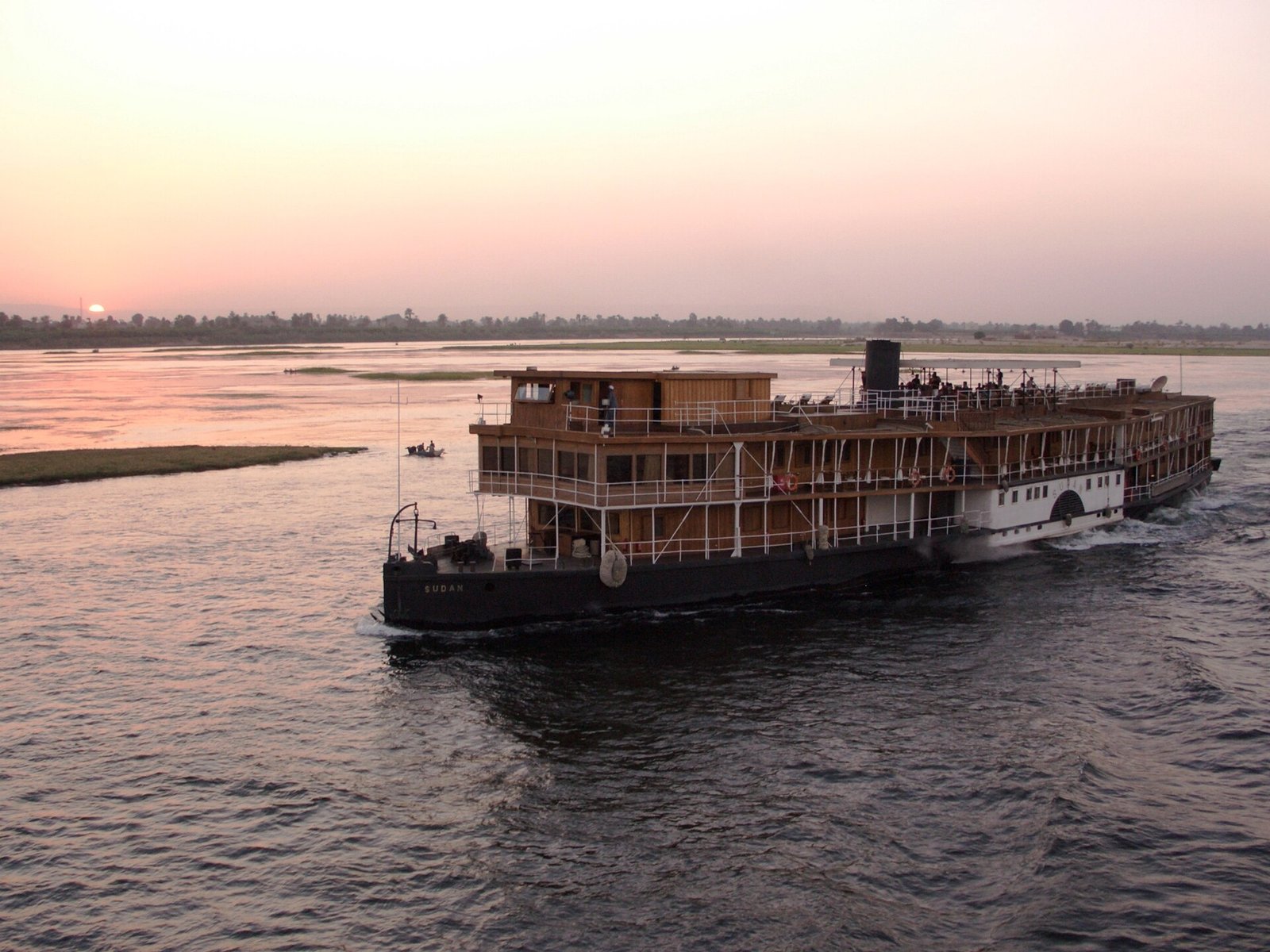
The four night sailing goes from Luxor down to Aswan, the three night sailing goes from Aswan up to Luxor. Both stop at Kom Ombo and Edfu. The difference is one full day, usually the one that lets you see the west bank of Luxor without rushing, or add a felucca afternoon in Aswan.
The fix: if your trip allows it, take four nights. If you only have three, put the Luxor west bank on the day before or after the cruise. The guide to how to choose a Nile cruise covers the direction question in detail.
Booking a ship by its name alone
Nile ships change hands, get refitted, and are sold by dozens of operators at the same time. The same vessel can carry an excellent Egyptologist for one group and a rushed, commission-driven schedule for the next. A ship's name tells you the hull, nothing about who will stand in front of you at Karnak.
The fix: ask four questions before you commit: which deck the cabin is on, when the ship was last refurbished, whether the guide is private or shared and with how many people, and whether the excursions include shopping stops.
The mistake of touring the temples without a guide
This is the error that ruins trips quietly, because the traveler never finds out what they missed. Karnak is 200 acres of pylons and columns with almost no signage. Without someone reading the walls for you, they are impressive piles of stone that all look the same by the second day.
With a good Egyptologist, the same stone becomes a story: Hatshepsut erased by her stepson, Ramesses II inflating his draw at Kadesh into a victory, the workers of Deir el Medina writing down their strikes. The guide also buys the tickets and keeps the vendors at a polite distance.
The fix: an Egyptologist for the archaeological days, and free time for the bazaar, the corniche at sunset and the beach. Every Explora Egipto trip includes a licensed Egyptologist on the site days as standard.
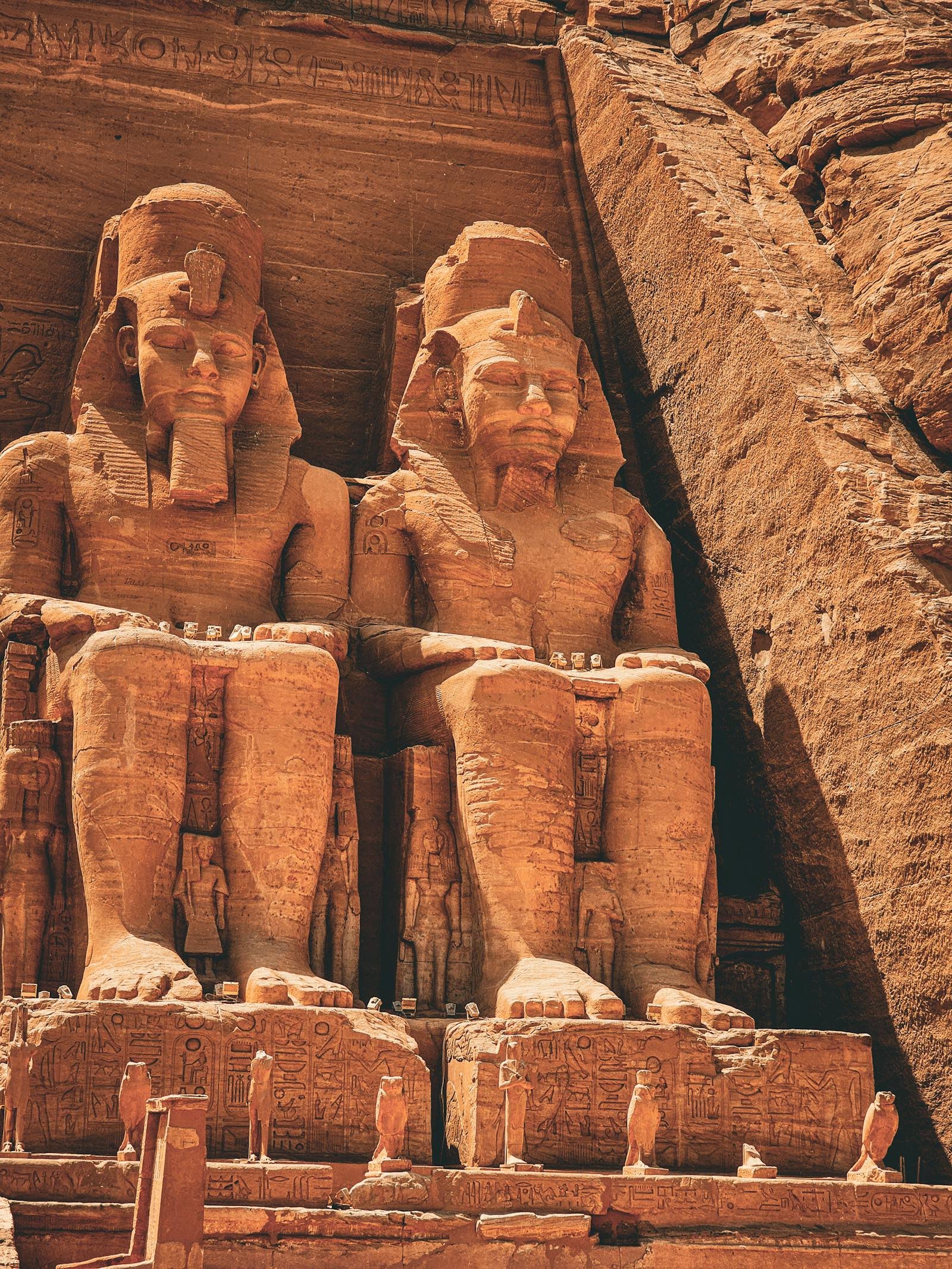
Heat, dawn starts and the Valley of the Kings at noon
Underestimating the heat and the early mornings
Even in the pleasant months, Luxor at 1 p.m. in the open is hard work. The heat is dry, which fools people. You do not feel yourself sweating, so you do not drink, and by mid-afternoon a headache ends the day.
The fix: accept the early alarm, carry more water than you think you need, wear a real hat, and plan the afternoons as rest. Two site visits before noon and one indoor visit after four is the rhythm that works.
Arriving at the Valley of the Kings at midday
The Valley has no shade, no breeze and pale rock that reflects the sun back at you. The popular tombs form lines from mid-morning, when the coaches from the ships pull in.
The fix: be at the gate when it opens, do the tombs first, then Hatshepsut's temple, then the Colossi of Memnon on the way back, and be off the west bank by noon. Our guide to Valley of the Kings tickets and tombs explains which tombs are on the general ticket.
Packing mistakes: too much luggage, the wrong shoes, and ignoring dress norms
Over-packing
A large checked suitcase is a burden in Egypt. Domestic flights have tighter baggage limits than your long-haul carrier, cruise cabins are compact, and you will change hotels four or five times.
The fix: a single carry-on sized bag plus a daypack. Hotels and ships do laundry in a day. The what to pack for Egypt list is short on purpose.
The wrong shoes
Sandals at Giza, Saqqara and the Valley of the Kings are a mistake you regret by the second site. The ground is sand over rock, tomb ramps are steep and dusty, and the steps inside the pyramids are worn smooth.
The fix: closed, broken-in walking shoes for the site days, and a light second pair for evenings. Nothing new bought the week before.
Ignoring dress norms outside the resort
In Hurghada or on a ship's sun deck, wear what you would wear anywhere. In a mosque, a Coptic church, a village in Upper Egypt or a Cairo neighborhood, shoulders and knees covered is what makes people treat you normally.
The fix: light long trousers or a long skirt, loose shirts that cover the shoulders, and a scarf in the daypack. It is cooler in the sun anyway.
Money and health mistakes: no small bills, tap water and no insurance
Arriving with no small bills
Egypt runs on small tips: the man who watches your shoes at the mosque, the tomb guardian, the driver, the porter. None of it is large, all of it is constant, and none of it works with big notes.
The fix: withdraw local currency on arrival and break it at the hotel desk into the smallest notes they have. Our page on tipping in Egypt explains who expects what, without turning it into a source of stress.
Drinking the tap water
This is the mistake that costs the most days of holiday. Cairo tap water is treated, but the pipes between the plant and your glass are not something to gamble a vacation on.
The fix: sealed bottled water for drinking and for brushing your teeth. Ice in good hotels and on the ships is filtered and fine. Salads and cut fruit from a street stall are the thing to skip in the first days.
Traveling without insurance
Nobody plans to twist an ankle on a tomb ramp or to need a doctor on a ship between Edfu and Kom Ombo. It happens every season, and a policy is the difference between an inconvenience and a disaster.
The fix: buy a travel policy that covers medical care abroad before you leave home, and read what it says about diving or hot air balloons if you plan to do them.
Expectation mistakes: Western punctuality and Western infrastructure
Expecting the day to run on the clock. A felucca that leaves at four leaves when the boatman, the wind and the last passenger agree. Flights, temple gates and cruise departures are punctual; the spaces between them are elastic. Protect the things that cannot move, above all the flight, and let the rest breathe.
Expecting manicured sites. Many sites have sandy approaches, minimal labels, basic restrooms and construction nearby. Look at the tomb, not the fence around it.
Expecting solitude. The big monuments are busy in season. Solitude exists at opening time, at the secondary sites, in the tombs of the nobles rather than the Valley, and outside the peak months.
Expecting the Western museum. The Grand Egyptian Museum is a modern building with modern curation. The older collections still use minimal labels and old cases, which many people find more evocative.
The fifteen mistakes and their fixes at a glance
| Mistake | What goes wrong | The fix |
|---|---|---|
| Wrong month | Upper Egypt in peak summer, or a cold sea in January | Pick the month by your main activity |
| Too many cities | A trip that is mostly transfers | Blocks of nights: Cairo, Nile, sea |
| No guide | Impressive stone with no story | Egyptologist on the site days |
| Cairo at the end | The hardest city when you are most tired | Cairo first with a light first day |
| Long road day | Eight hours of highway to Luxor | The one hour domestic flight |
| Three nights, not four | A lost Luxor day, a compressed Aswan morning | Four nights when the calendar allows |
| Underestimating heat | Headaches and lost afternoons | Dawn starts, water, rest after noon |
| Over-packing | Bags too big for cabins and domestic flights | Carry-on size and hotel laundry |
| Wrong shoes | Sandals on sand, rock and tomb ramps | Closed, broken-in walking shoes |
| No small bills | Constant awkwardness at every tip | Break notes at the hotel desk on day one |
| Tap water | Days lost to a bad stomach | Sealed bottles, even for teeth |
| No insurance | A small accident becomes a big problem | A medical and trip policy bought at home |
| Valley of the Kings at noon | Lines, heat and humid tombs | Be at the gate at opening time |
| Ignoring dress norms | Refused at a mosque, stared at in town | Shoulders and knees covered, a scarf in the bag |
| Ship by name only | A good hull with a bad guide | Ask about deck, refit, guide and group size |
| Expecting punctuality | Frustration with elastic time | Protect the flight, let the rest breathe |
How Explora Egipto designs these mistakes out of the trip
We are a local agency in Egypt with our own guides and vehicles. The itinerary we send you is built to remove these errors before you land.
- The month: when you tell us your dates we tell you honestly what they mean for the south, the sea and the cruise, and suggest the route that fits them.
- The pace: two site visits before noon, one after four, a light first day in Cairo, and no city added unless the nights exist to hold it.
- The routing: Cairo first, domestic flights south, and the cruise direction chosen for the days you have.
- The ship: vessels we have walked through, cabins on decks we would choose ourselves, and the guide on board is ours, so the shopping stops are not.
- The small things: water in the vehicle, the Valley at opening time, a packing list before you fly, and a scarf in the glovebox for the mosque you enter on a whim.
The rest of the planning process is in our guide on how to plan a trip to Egypt. Send us your dates and who is traveling, and we send you the quote with the mistakes already designed out.
Frequently asked questions
What is the single biggest mistake first-time visitors make in Egypt?
Trying to see too much in too few days. Everything else follows from it: the road transfers, the noon Valley of the Kings, the jet-lagged first morning at Giza. Build the trip in blocks of nights, three in Cairo and three or four on the Nile as the core, and add the sea or the desert only if the calendar has room.
Is it a mistake to visit Egypt in summer?
Not if the trip is designed for it. Luxor and Aswan run between 104 and 113 F (40 to 45 C) in the afternoons from June to August, so the site visits move to dawn and the afternoons go to the pool. The Red Sea is at its best. The mistake is copying a winter itinerary into July and then blaming the country.
Should I do Cairo first or last?
First, with a deliberately light opening day. You arrive rested enough for Giza and Saqqara, then fly south to the calmer rhythm of the Nile. Leaving Cairo for the end puts the loudest city on the days you are most tired.
Is a three night Nile cruise a mistake?
Not a mistake, but a compromise. The three night sailing from Aswan to Luxor covers the same temples as the four night one, with one fewer full day and an early first morning in Aswan. If you have the days, take four nights. If you only have three, plan the Luxor west bank as a separate day before or after the boat.
Can I visit the Valley of the Kings in the afternoon?
You can, and in winter it is tolerable, but you will share the popular tombs with the cruise groups and stand in full sun between them. The right way is the gate at opening time, the tombs first while they are still cool, then Hatshepsut's temple and the Colossi on the way back, and off the west bank by noon.
Do I really need a guide in Egypt?
For the archaeological days, yes. Karnak, the Valley of the Kings, Giza and Saqqara have almost no signage and centuries of layered history that a good Egyptologist unlocks in minutes. You do not need one for the bazaar, the sunset on the Nile or the beach.
Make your first trip to Egypt the one other people wish they had taken
Tell us your dates, how many nights you have and who is traveling. We come back with a route that puts Cairo first, flies you south, chooses the right cruise length and ship, has an Egyptologist on the days that need one, and gets you to the Valley of the Kings before the sun does.